How Long Does It Take to Buy an Investment Property?
October 6, 2021
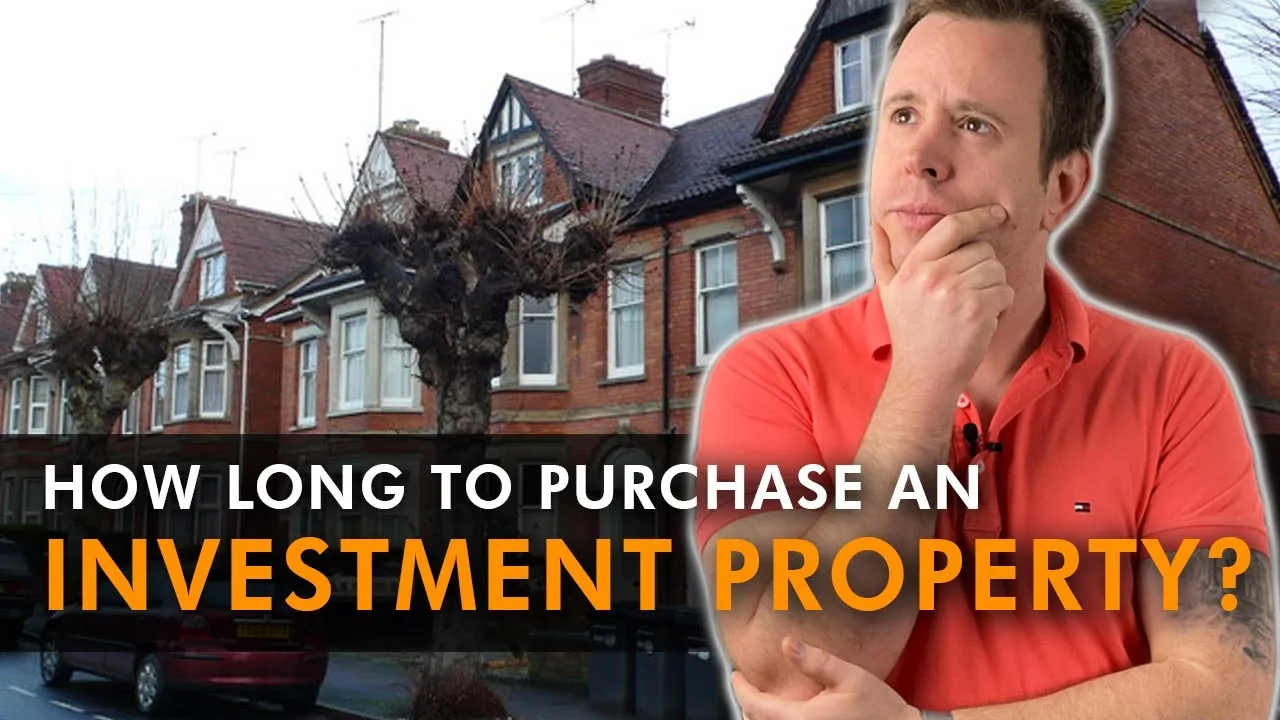
How long does it take to buy an investment property? In my October 2021 video, I used roughly eleven to twelve weeks as a planning illustration based on my experience at that time. I also described a purchase that took eighteen months. Both belonged in the discussion, because a neat average can hide how much individual transactions vary.
I wouldn’t present that old three-month estimate as a current national average or a promise about your next purchase. The useful part is understanding the stages, which ones can run together and what might stop the transaction moving forward.
If you know what needs to happen, you can prepare your own documents and respond quickly without assuming everything else is under your control. That’s a better position than choosing a completion date first and hoping the legal work and finance fit around it.
You can watch my original investment-property purchase timeline for the examples behind this explanation.
Decide where your timeline actually begins
When somebody asks how long buying takes, they may mean from the first viewing, from an accepted offer or from instructing a solicitor. Those are different starting points, and comparing them can create confusion.
My original model included time spent finding a property and getting an offer accepted. That came before the main legal and mortgage work. Someone who has already agreed a purchase is further through the process than someone still deciding what to buy.
I’d also separate completion from becoming ready to let. A property needing refurbishment, furnishing or licensing work may not generate rent immediately after the keys are handed over. Those later stages need their own time and cash allowance.
For an investment plan, the whole period matters. It’s no use budgeting only for the conveyancing if the business case assumes rental income before the property will actually be ready for tenants.
Finding a suitable property can take longer than finding a listing
In the video I allowed one to four weeks for viewings and securing an accepted offer, using three weeks in the illustration. That reflected a buyer already working with a reasonably clear brief, rather than a universal timetable.
If you’re still learning an area, deciding on a strategy or establishing what you can borrow, it may take much longer. That’s not necessarily wasted time. It can prevent an expensive decision based on an incomplete understanding of the market.
I’d want to know the property type, likely tenant, location, budget and return requirements before treating the first attractive listing as the one to buy. My property investment planning approach helps put those decisions in order.
The objective is to find a suitable deal, not simply to get an offer accepted quickly. Speed at this stage has little value if it leads to months spent trying to rescue a purchase that never fitted the plan.
Get your documents ready early
Once an offer is accepted, the agent and professionals involved will need information to establish who you are, how the purchase will be funded and where the money comes from. Missing or incomplete documents can create avoidable delays.
I discussed proof of deposit and a mortgage agreement in principle in the video. I allowed only a day or two for supplying that information in the example, because an organised buyer may already have much of it ready.
That isn’t a guarantee that every check will be completed within two days. The source of funds may need explanation, and the requirements depend on the parties and circumstances involved. I’d respond through the secure channels the relevant professional provides.
I’d also avoid confusing a bank balance with a complete acquisition budget. The cash needs to cover the deposit and relevant fees, taxes and works, with an appropriate reserve beyond the purchase itself.
An agreement in principle isn’t the final mortgage offer
A mortgage agreement in principle is an early indication based on the information supplied. The lender still needs to assess the application and the particular property before issuing an offer on acceptable terms.
That can involve checking the borrower’s circumstances, deposit, property value and rental position. A buy-to-let purchase needs to fit the lender’s criteria; an attractive rent estimate from an advert doesn’t settle the lender’s assessment.
In my 2021 illustration, I used four to six weeks for the mortgage stage, while explaining that I had also seen longer periods. I’d ask the broker for a current, case-specific expectation rather than copy that historic range into a contract commitment.
My buy-to-let mortgage guide explains some of the factors behind the decision. The key point for timing is that arranging finance is a process, not a box ticked permanently by an early indication.
Legal work and mortgage work can overlap
One reason the stages shouldn’t simply be added together is that the solicitor or conveyancer and mortgage lender can be working at the same time. The transaction doesn’t necessarily wait for one entire process to finish before the next begins.
The legal work includes reviewing the contract papers, title and relevant searches, then raising and resolving enquiries. Depending on the property, further documents or explanations may be needed from the seller or other parties.
In the original video, I discussed searches taking around four to six weeks in my experience and longer periods during Covid. Those were observations from that time. Search availability and the wider legal timetable vary, and receiving searches doesn’t mean every enquiry is resolved.
I find it more useful to ask which item is currently holding things up than to ask repeatedly whether completion is nearly ready. A specific missing response or document gives everyone a clearer next action.
A valuation and a survey serve different purposes
The lender’s valuation forms part of its decision about the property as security. It isn’t the same as a detailed survey commissioned to help the buyer understand the building’s condition.
If a survey or other investigation identifies work, that may affect the investment budget, price discussions or willingness to proceed. The time needed to understand those findings belongs in the buying process, even when it makes the timetable less convenient.
I’d rather investigate a significant issue before exchange than discover after completion that the refurbishment budget was unrealistic. A few weeks saved by ignoring a concern can become a much more expensive delay once the building is yours.
This is also where I would revisit the figures. If the costs change, the original offer and expected return need reviewing. The fact that legal fees have already been spent doesn’t make an unsuitable purchase become a good one.
The seller’s next move can control your completion date
In the video I contrasted an empty property or a purchase with tenants in place with a seller who has an onward purchase. A chain can introduce dependencies that have little to do with how organised you are.
Your seller may be waiting for another transaction, and that transaction may depend on one further along. Even when your own mortgage and legal work are ready, the chain may not be in a position to agree a date.
I used a two-to-four-week period for the final arrangements in my historic illustration, with the longer end more likely where an onward move needed coordination. It wasn’t a promise that a chain can always be aligned within that period.
I’d want clear updates from the agent and conveyancer about the chain’s position. Understanding the dependency is more useful than assuming every delay means somebody has simply failed to do their job.
My eighteen-month purchase shows the limits of an average
One transaction I described took eighteen months. The seller’s onward purchase repeatedly fell through, and we needed more than one mortgage offer as the process continued.
The eventual purchase price was £95,000. By completion, I thought the property was worth around £130,000, which made the agreed price look particularly attractive. That was my assessment of that historical outcome, not a reason to expect delays to create value.
A long delay can have the opposite effect. Finance may become less favourable, costs may rise or the property may no longer fit your plans. Time passing isn’t automatically an advantage to the buyer.
My lesson was that even an experienced investor can’t control every part of a transaction. I can stay organised and decide whether to continue, but I can’t promise that the seller’s circumstances or the wider chain will cooperate.
Exchange and completion are different milestones
For a conventional purchase in England and Wales, exchange of contracts is the point at which the agreement becomes legally binding. Completion is when the transaction is completed and the purchase money is transferred through the conveyancers.
The government’s guide to buying a home explains the process and the role of the professionals involved. Scotland and other jurisdictions have different procedures, so this isn’t a single timetable for every UK transaction.
I’d follow the conveyancer’s instructions about signing, funds, insurance and any conditions that must be satisfied. A proposed date isn’t the same as a binding commitment, and I wouldn’t make assumptions about access to the property before the appropriate stage.
For investment work, that also means coordinating contractors and letting plans carefully. Booking everything around an unconfirmed date can create costs if completion moves.
Build a timeline with room for uncertainty
I’d use the stages to create a working plan, then update it as information becomes firmer. The budget should allow for the period before rental income starts and for the possibility that the transaction takes longer than expected.
I can help by choosing professionals early, supplying complete documents, answering enquiries promptly and making decisions when evidence arrives. I can’t remove every legal issue, lender requirement or chain delay simply by chasing harder.
The right question is therefore not just “Can this be done in twelve weeks?” It’s “What needs to happen, what is uncertain, and can I still fund the plan if it takes longer?” That’s the approach I would take before committing to an investment purchase.
If you’d like to discuss your next step, book a free 30-minute call. You can also explore the Starter Club or find out about Done For You for support with your property plans.